5–10 Minutes to Complete
SBTI takes about 8 minutes, RFTI about 5. Each free online personality test is built for a real attention span.
Free · No Sign-up · Instant Results
Explore two research-backed free online personality tests — SBTI maps 27 behavioral archetypes across 15 dimensions, while RFTI reveals your relationship style across 20 types. No account needed, results in minutes.
Two unique free online personality tests. Thousands of results shared daily.
Each free online personality test uses a different lens — pick the one that fits what you want to explore.
"Who are you when no one's watching?"
30 questions across 15 behavioral dimensions. Discover which of 27 archetypes matches your real-life patterns — from The Controller to The Monk.
"How do you show up in relationships?"
15 questions that reveal your relationship field type. Find out which of 20 types describes how you connect, protect, and invest in others.
"What's your actual internet personality?"
24 scenario questions across 6 dimensions — ego, rizz, chaos, money, drama, and loyalty. Find out which of 16 types captures your real online self.
Most free online personality tests give you a label. Ours give you a map.
Each answer feeds into one of 15 behavioral dimensions — things like self-esteem stability, emotional investment, and action threshold. Your result is computed from your actual pattern, not a bucket system.
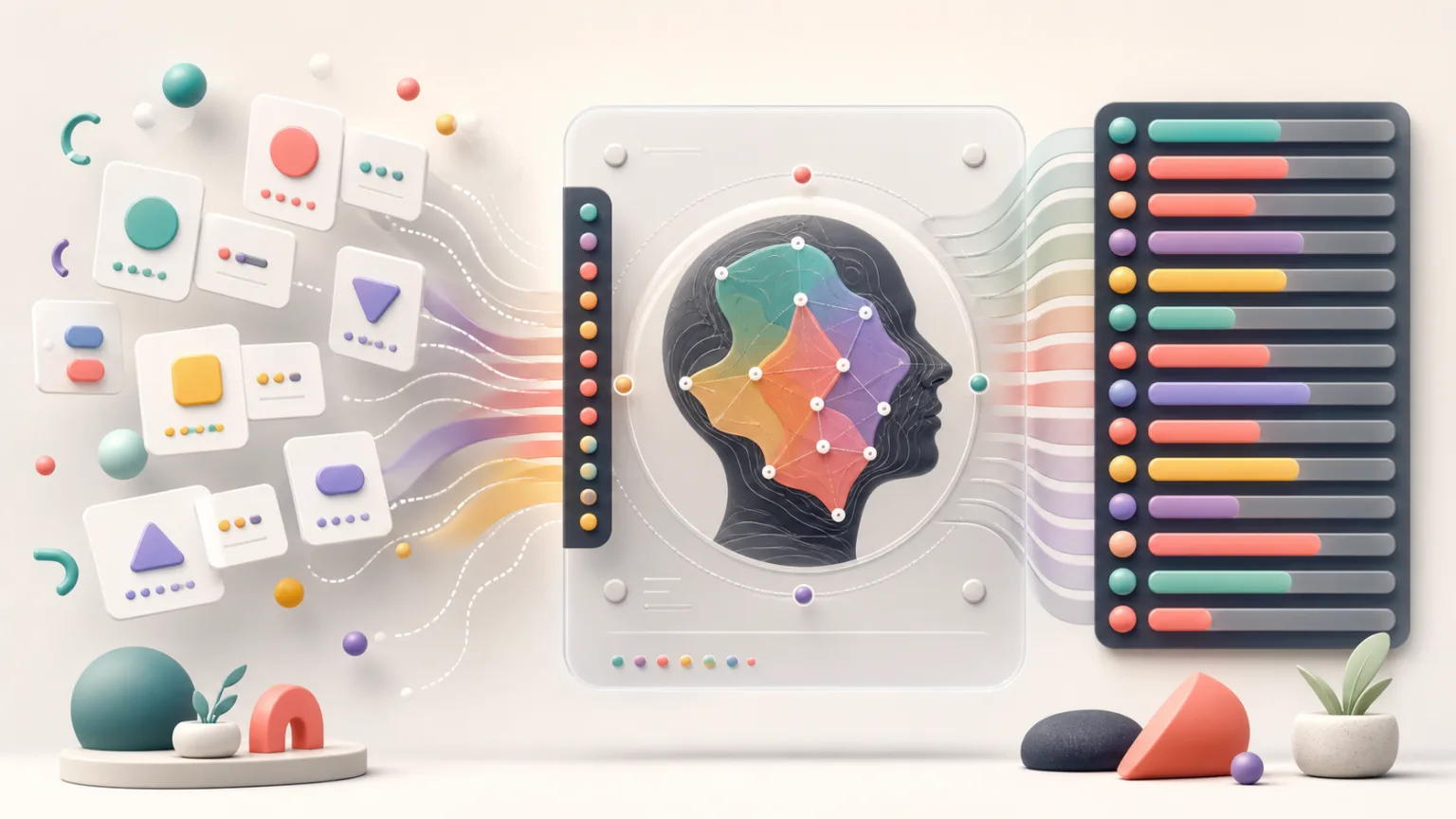
SBTI maps your general behavioral style across social, emotional, and cognitive dimensions. RFTI zooms in on how you operate in relationships specifically — your attachment, investment, and trust patterns.

Designed to be honest, fast, and genuinely useful.
SBTI takes about 8 minutes, RFTI about 5. Each free online personality test is built for a real attention span.
No email. No paywall. No results hidden behind a sign-up wall. Take the free online personality test and get your full result instantly.
Your result page shows how you scored on every single dimension — not just your type label. A free online personality test that actually explains itself.
People change. Contexts change. This free online personality test has no cooldown — retake it whenever you want a fresh read.
Take the free online personality test in English, Simplified Chinese, or Traditional Chinese. Results are fully localized.
Each result has its own shareable URL. Send your free online personality test result to a friend and compare.
Three steps from question one to a result you can actually use.
Choose SBTI to explore your general behavioral archetype, or RFTI to understand your relationship field type. Both are free online personality tests — pick the one that matches what you're curious about.
There are no right or wrong answers in a free online personality test. Each question targets a specific behavioral dimension. The more honest your answers, the more accurate your result.
SBTI: 30 questions. RFTI: 15 questions.
Your result page shows your type, a detailed description, and your score on every dimension. Bookmark it, share it, or just sit with it for a while.
Compare your dimension scores with a friend who took the same free online personality test.
See sample resultsEverything you need to know before you start.
Yes, completely. No credit card, no email, no paywall. Take the full test and get your complete result at zero cost.
SBTI is a general behavioral personality test — it maps 27 archetypes across dimensions like self-esteem, emotional style, and social behavior. RFTI is a relationship-focused test — it identifies 20 types based on how you attach, trust, invest, and communicate in close relationships.
SBTI has 30 questions and takes about 8 minutes. RFTI has 15 questions and takes about 5 minutes. Both are designed to fit a real attention span.
Both tests are built on established psychological dimensions — including self-model, emotional model, and social cognition. They are designed for self-reflection and insight, not clinical diagnosis.
Absolutely. There is no cooldown or account required. Retake it after a major life event, a breakup, a new job — context shapes how you answer.
No. All scoring happens in your browser. We do not store your answers or your result. Your data never leaves your device.
Pick SBTI or RFTI and get your full result in under 10 minutes — no sign-up, no cost, no fluff.
100% free online personality test · No account required · Instant results