Type index
Use this page as an index if you searched for a specific result name first and only need the matching type guide.
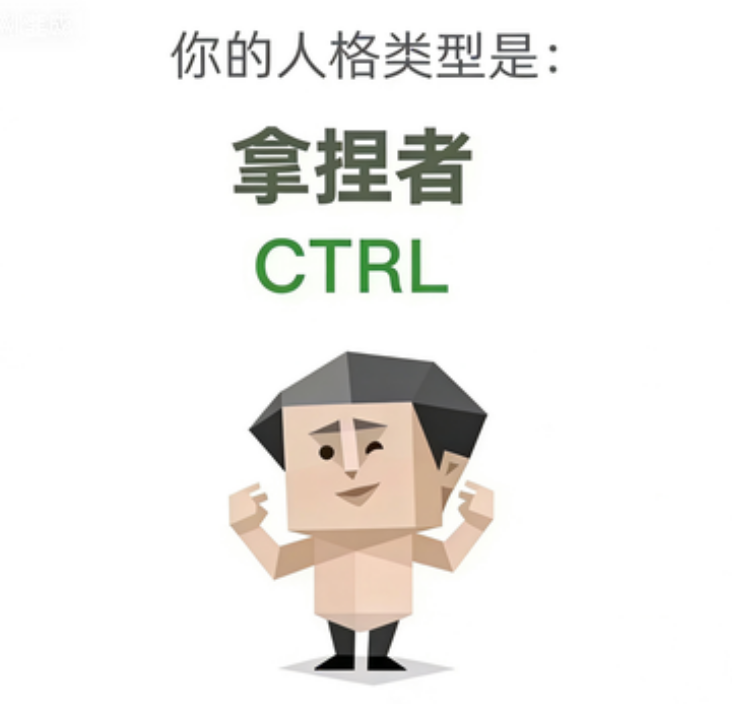
拿捏者
CTRL types are strategic, composed, and difficult to shake off course. You like systems, hate needless chaos, and often end up stabilizing other people’s messes.
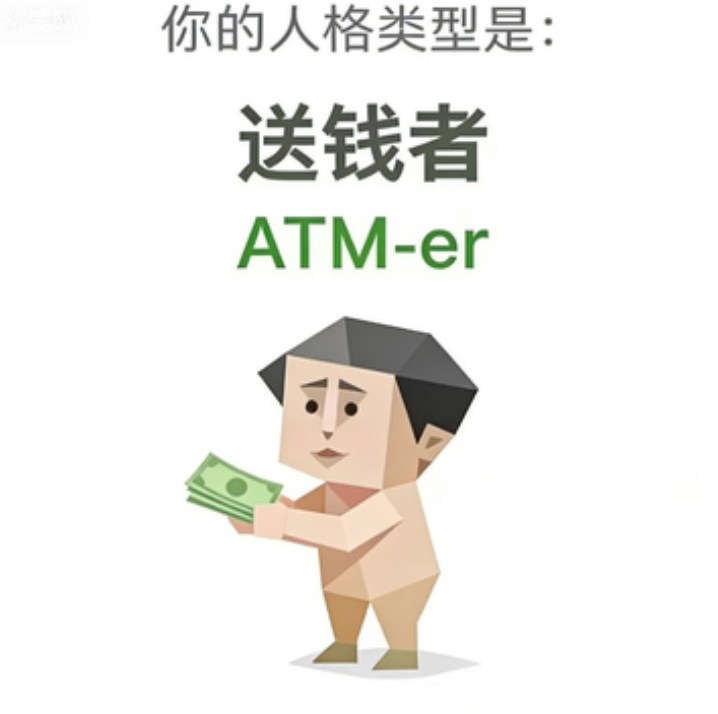
送钱者
ATM-er types are reliable, generous, and a little too available. People feel safe around you, but you can quietly overpay with your energy.
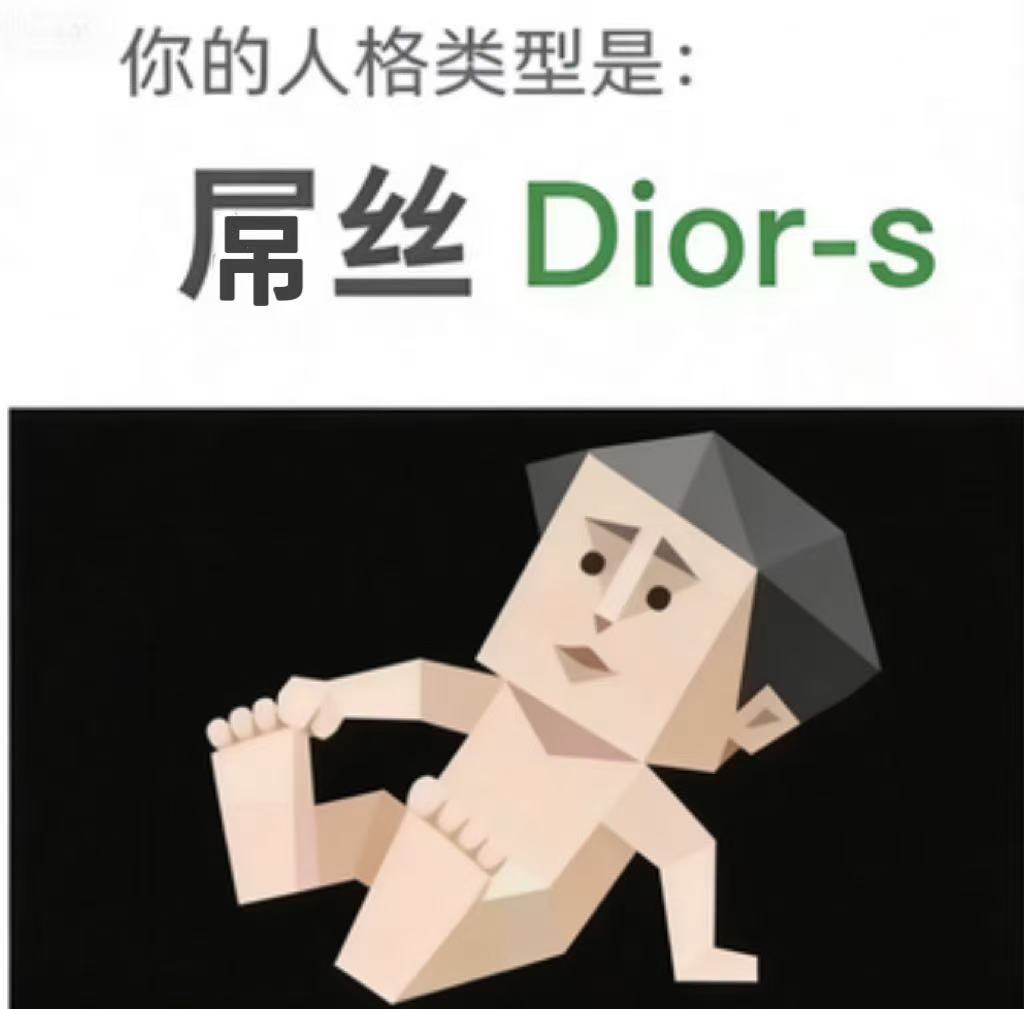
屌丝
Dior-s types are dry, skeptical, and oddly grounded. You can look unserious from the outside, but beneath that is a very sharp sense for what is fake or not worth chasing.
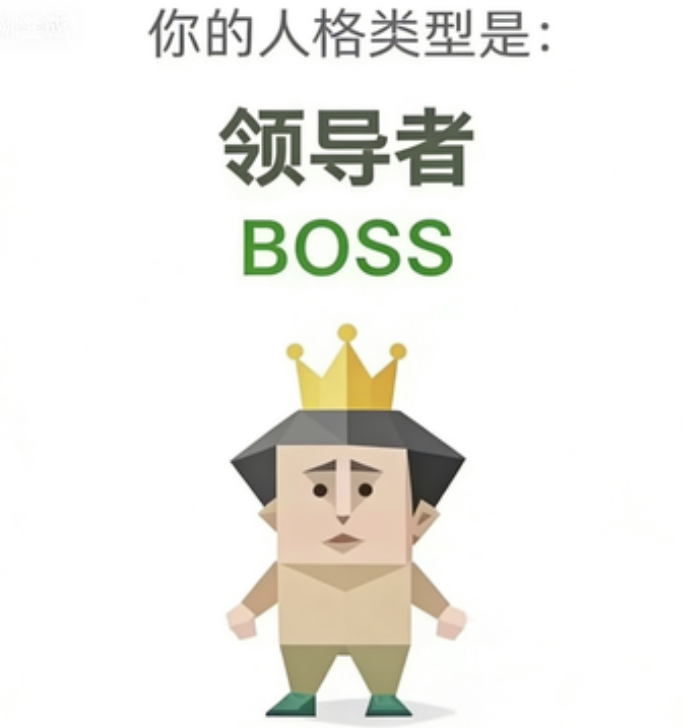
领导者
BOSS types are decisive, structured, and relentlessly upward-moving. You like direction, responsibility, and the feeling that something is getting done under your watch.
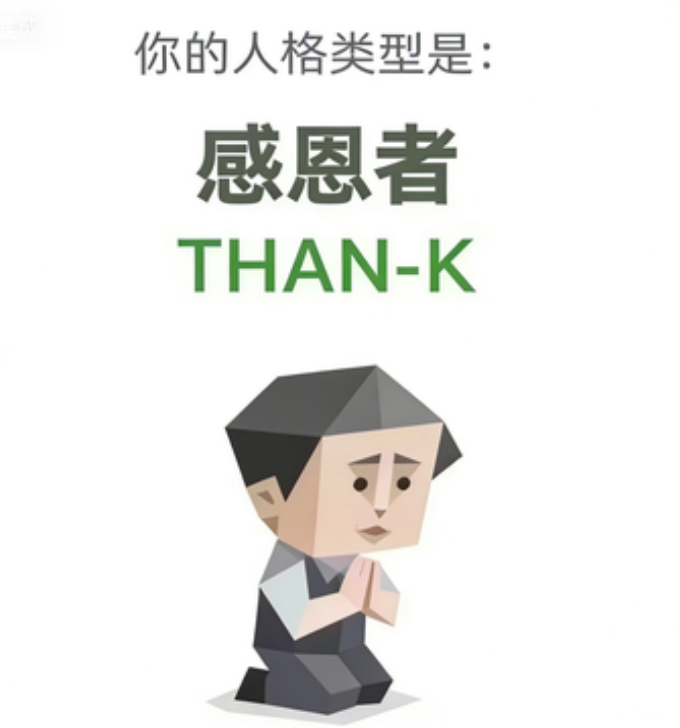
感恩者
THAN-K types are soft, generous, and naturally inclined toward grace. You try to leave room for kindness and meaning even when the world is being ridiculous.
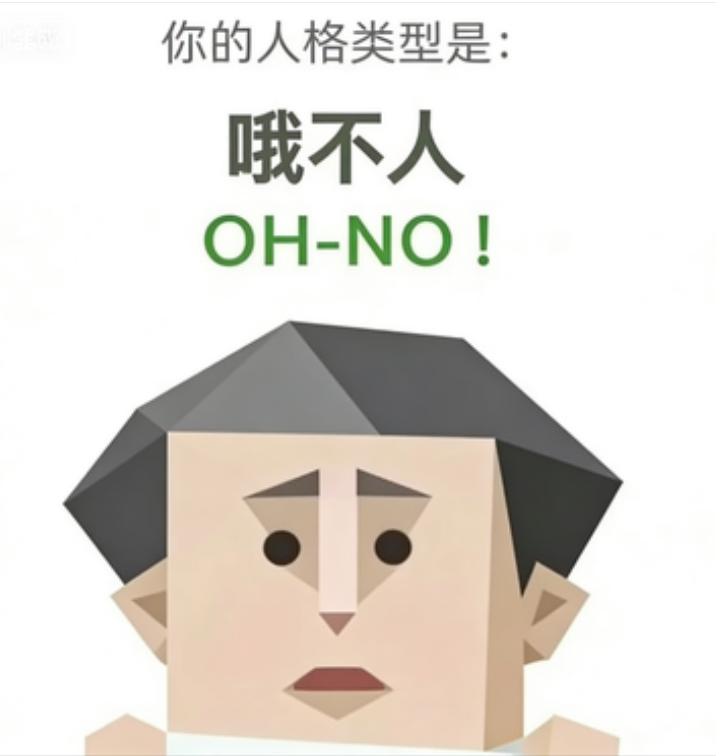
哦不人
OH-NO types are cautious, boundary-aware, and tuned to risk. You do not panic for fun; you simply notice how quickly things can go sideways.
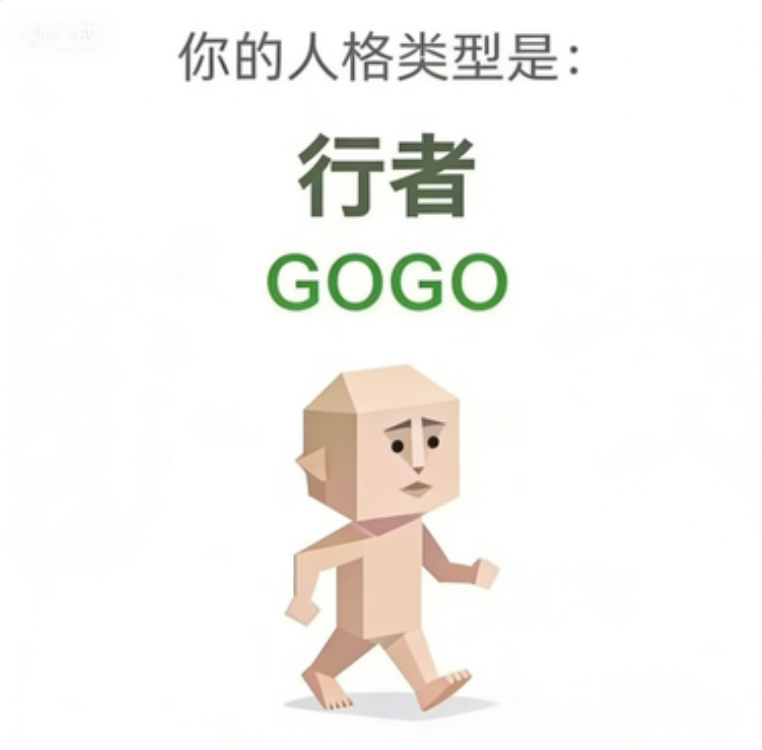
行者
GOGO types are action-first, momentum-loving, and hard to keep still. When something can be done, your instinct is usually to just do it.
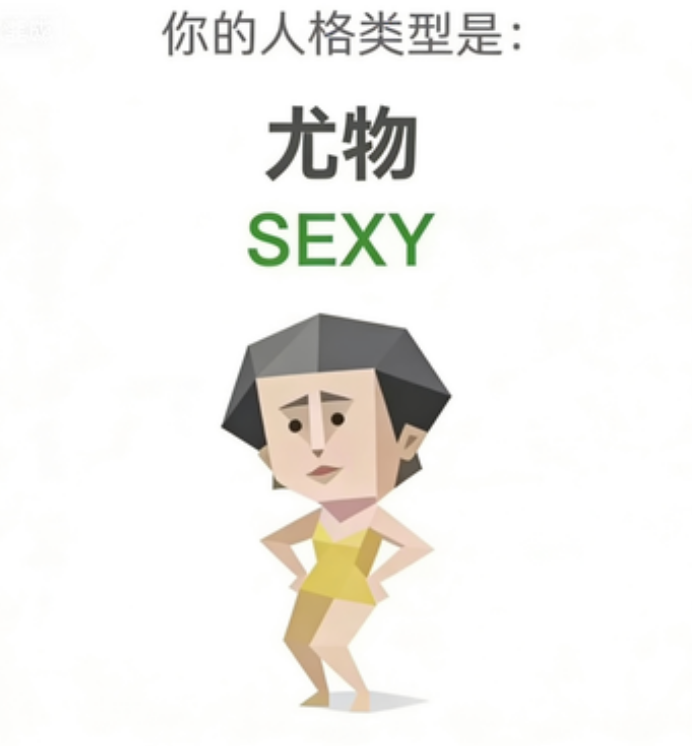
尤物
SEXY types feel magnetic, stylized, and naturally noticeable. You often read as more alluring or luminous than you were even trying to be.
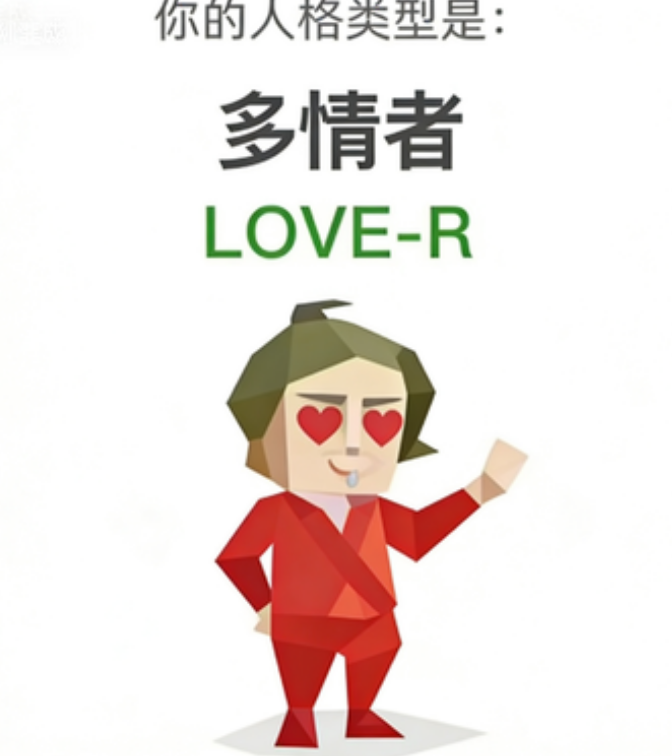
多情者
LOVE-R types are idealistic, devoted, and emotionally saturated. A passing feeling can turn into a whole internal universe for you.
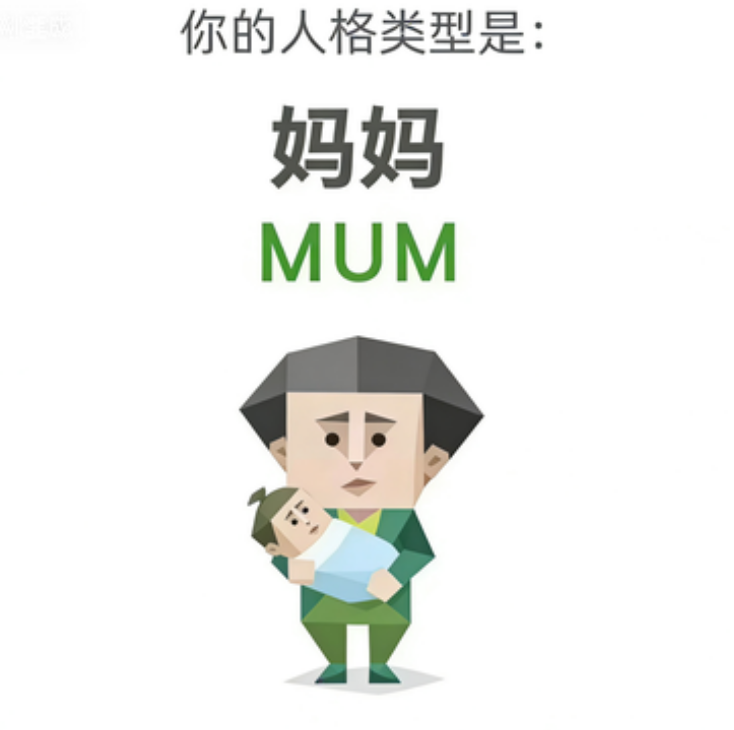
妈妈
MUM types are nurturing, tender, and deeply responsive to emotional shifts. You are often the soft landing spot for other people, even when you forget to give that softness to yourself.
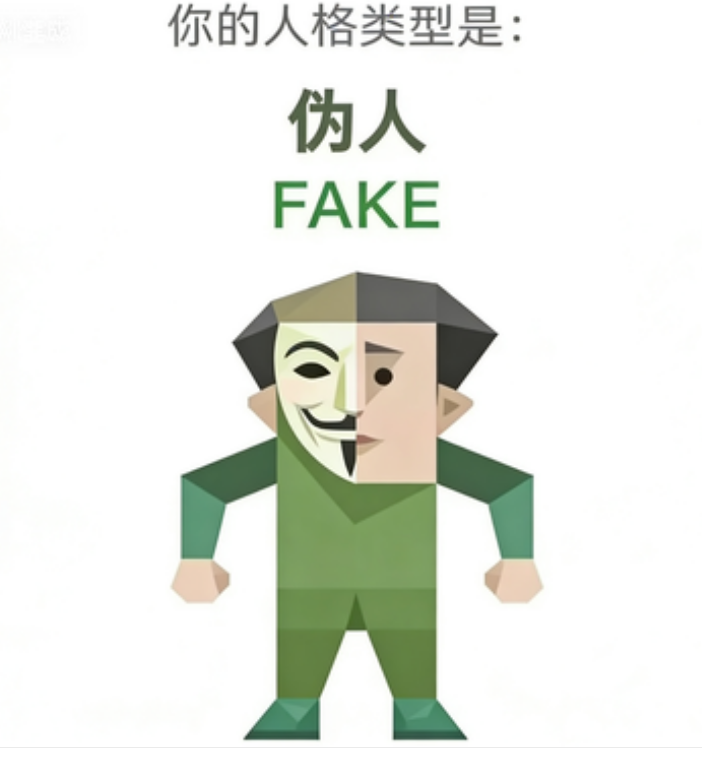
伪人
FAKE types are socially adaptive, observant, and skilled at code-switching. You can fit many rooms, but staying visible to yourself is the harder part.
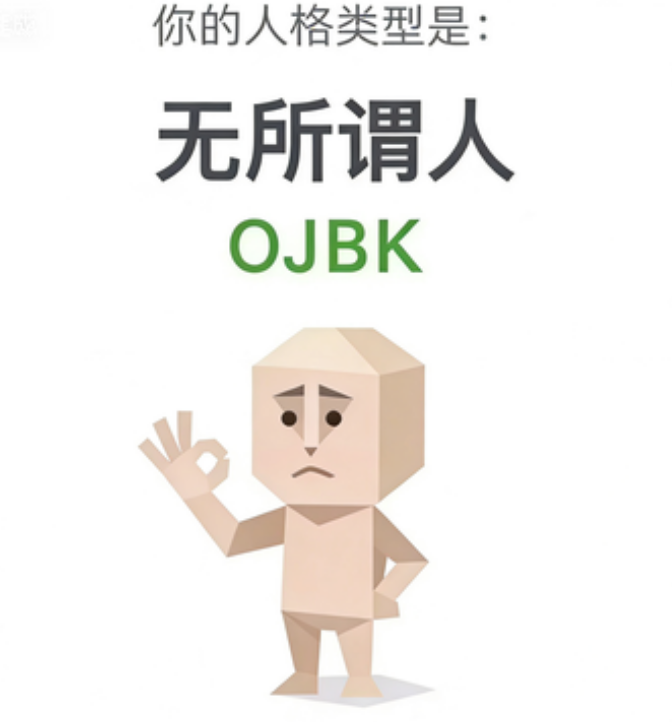
无所谓人
OJBK types are detached, low-drama, and hard to bait into small battles. You conserve energy by refusing to over-invest in choices that do not deserve a throne speech.
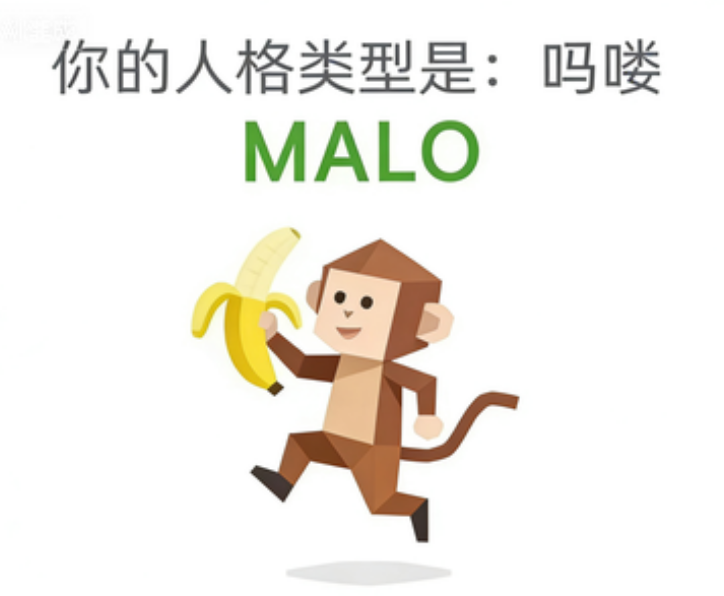
吗喽
MALO types are playful, unruly, and gloriously hard to flatten. Rules feel negotiable, boredom feels illegal, and your imagination often arrives before social polish does.
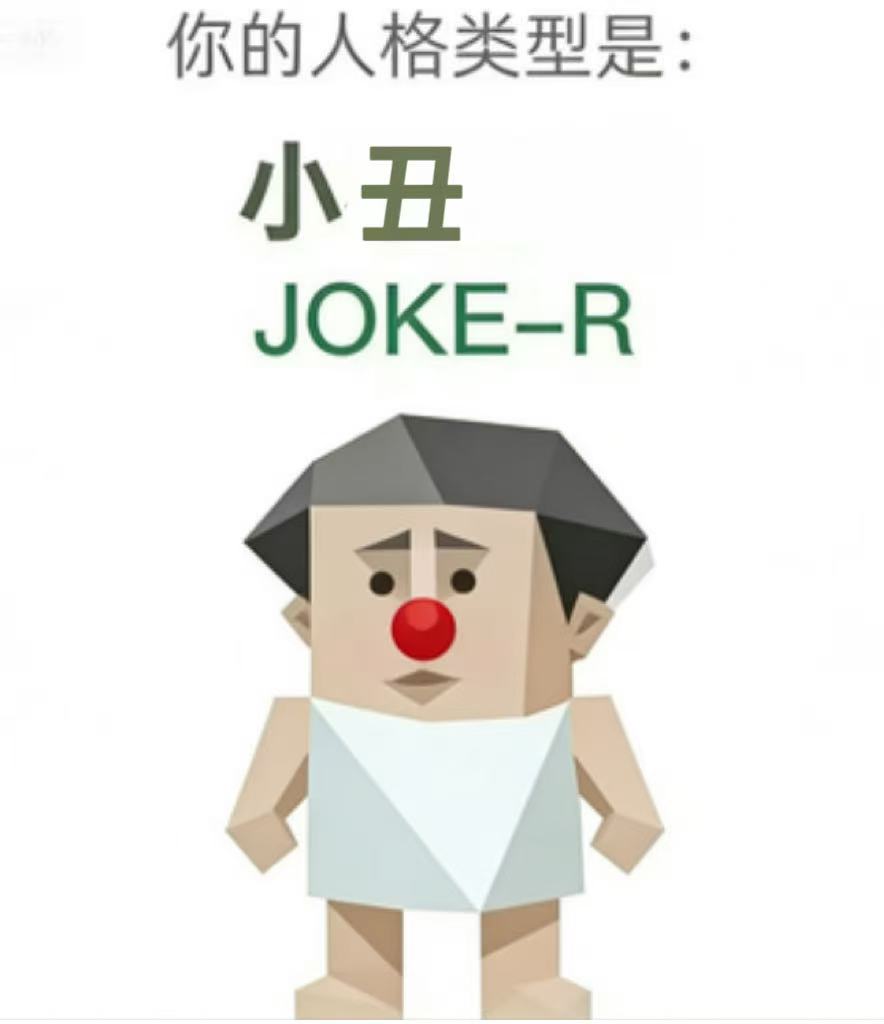
小丑
JOKE-R types are funny, self-aware, and a little sad under the glitter. You can keep everyone else entertained while quietly hiding your own softer corners.
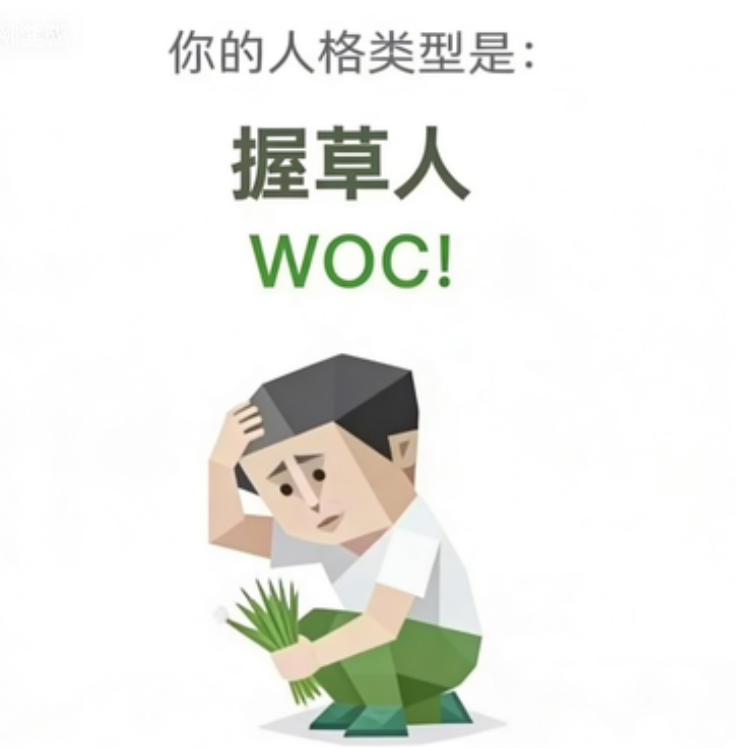
握草人
WOC! types are expressive on the surface and sharply detached underneath. You have plenty of reactions, but you are not eager to waste yourself fixing every absurd situation.
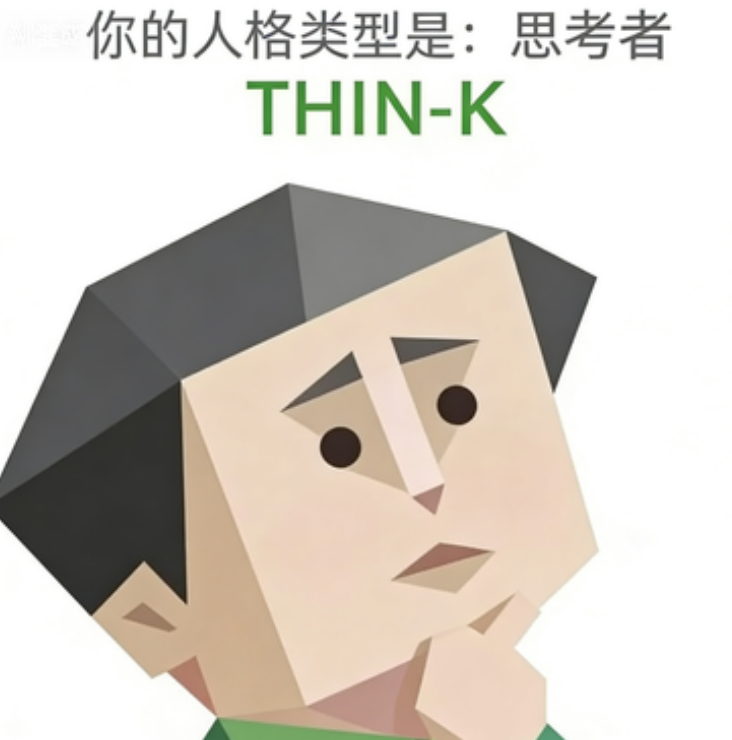
思考者
THIN-K types analyze, compare, and audit everything a little deeper than average. Logic, evidence, and space to think are not luxuries for you; they are the air supply.
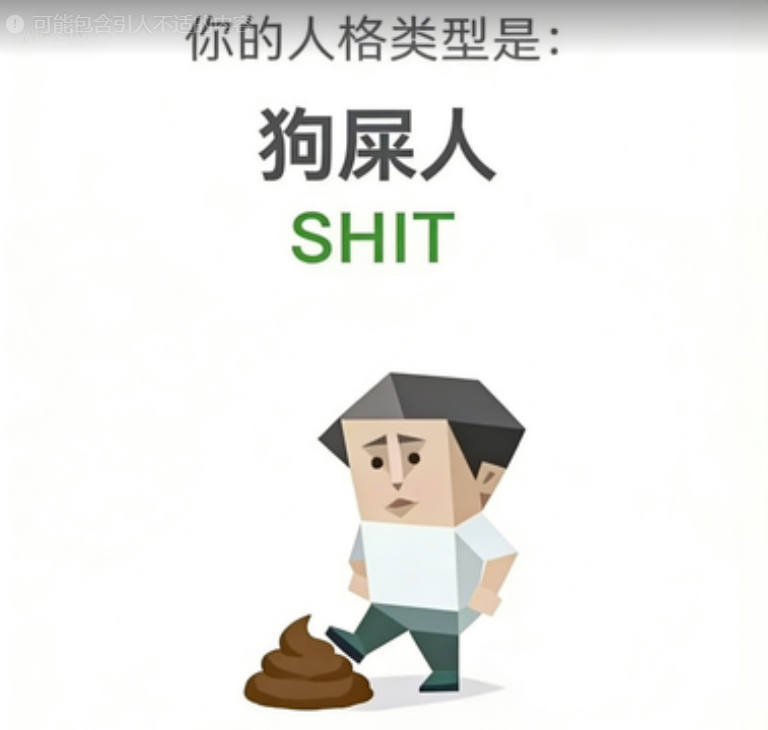
愤世者
SHIT types are cynical, irritated, and weirdly competent. You may sound like the apocalypse is close, yet somehow you still show up and hold the whole broken machine together.
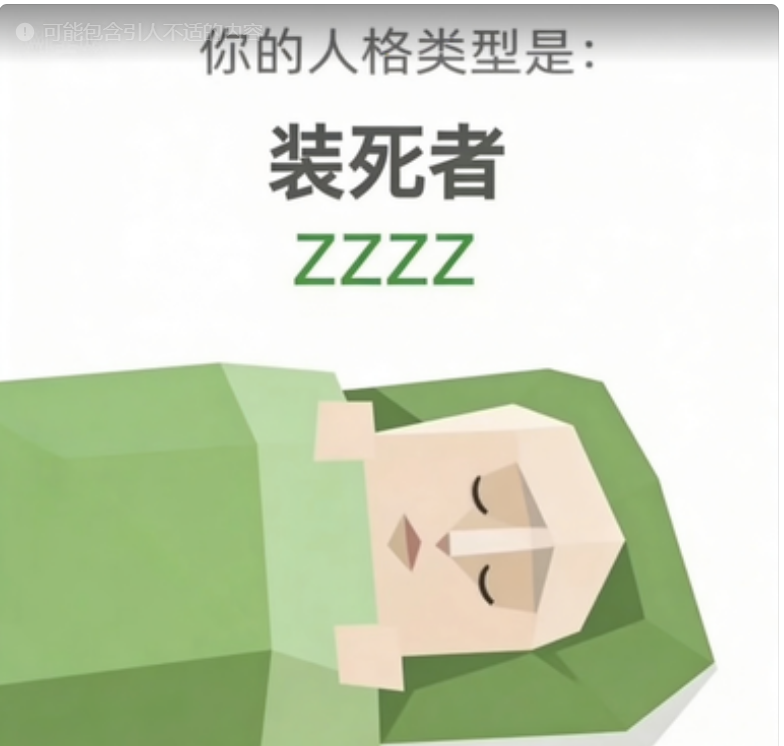
装死者
ZZZZ types conserve energy through strategic disappearance. Then, when the deadline finally bares its teeth, you can wake up frighteningly fast.
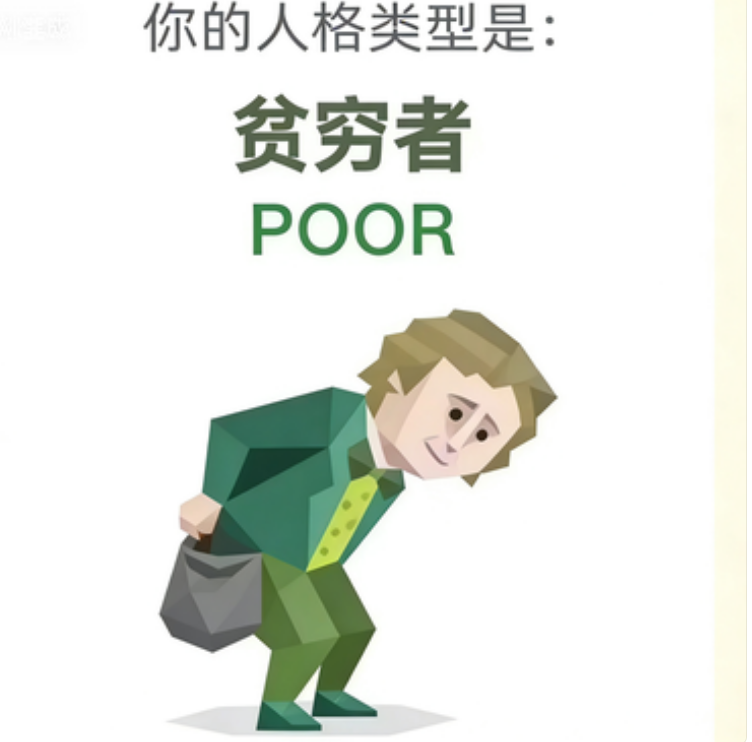
贫困者
POOR types narrow the field and go all in where it matters. You ignore a lot of social glitter because your attention would rather drill than scatter.
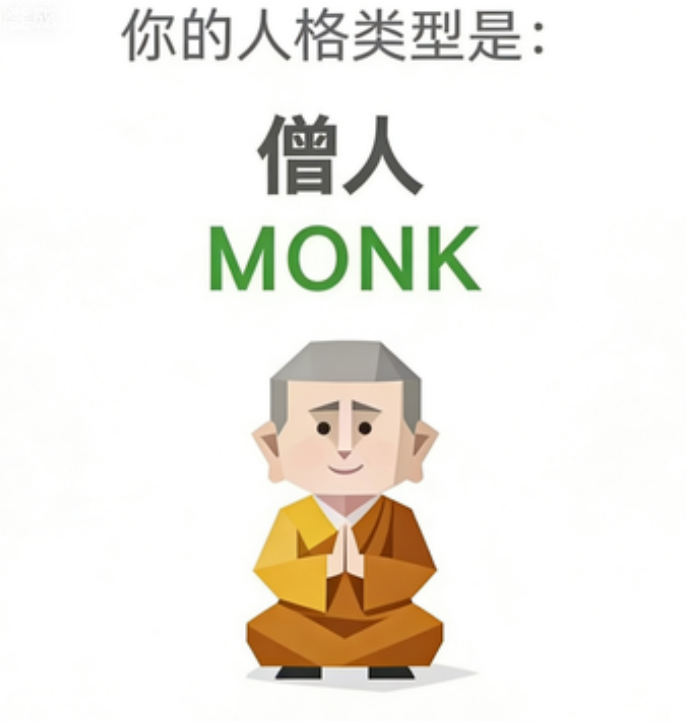
僧人
MONK types are private, self-contained, and difficult to crowd. You care about emotional independence, mental peace, and not having random people step all over your inner floor.
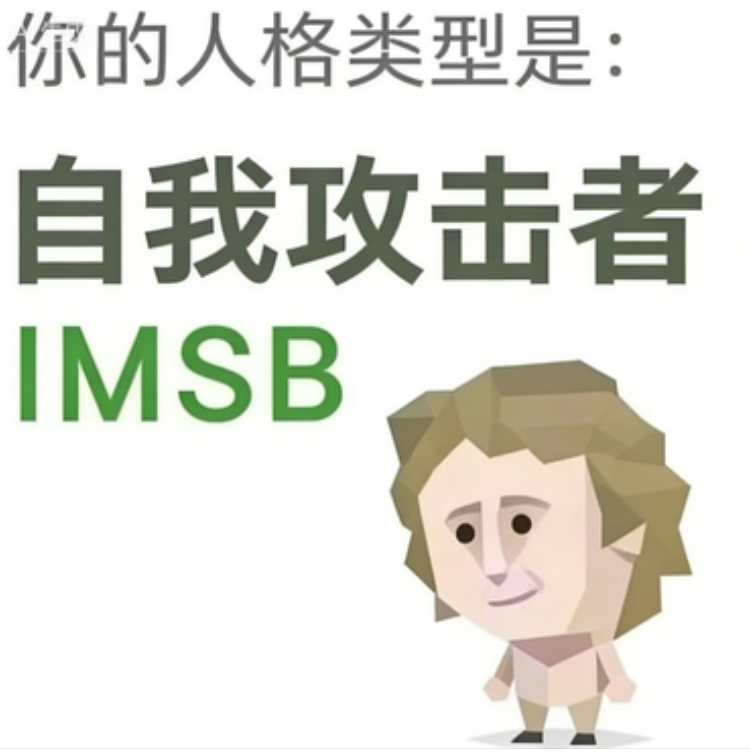
傻者
IMSB types feel big urges and big hesitation at the same time. You are not actually stupid; you just experience desire and self-doubt at full volume.
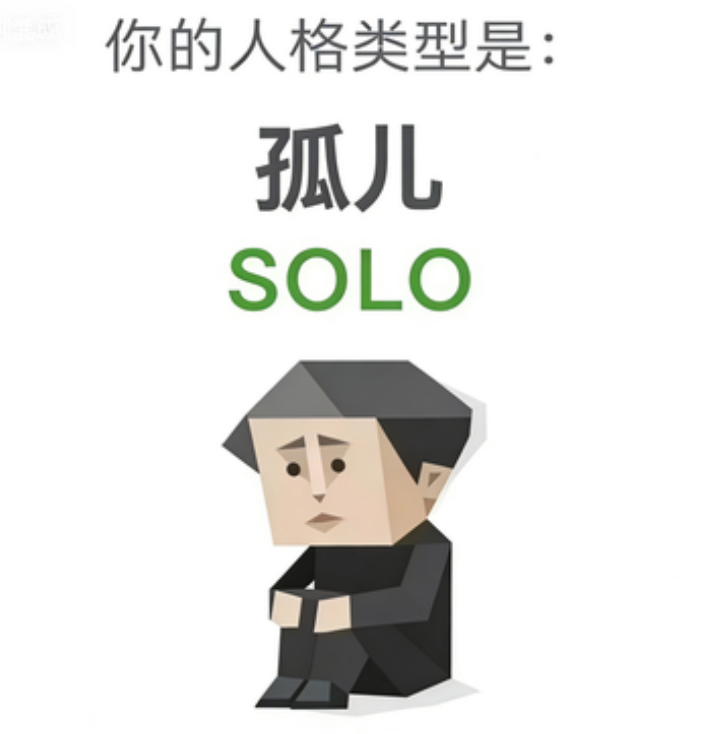
孤儿
SOLO types are sensitive, defensive, and slow to trust. The walls are there for a reason, even if part of you still wishes someone patient could get through them.
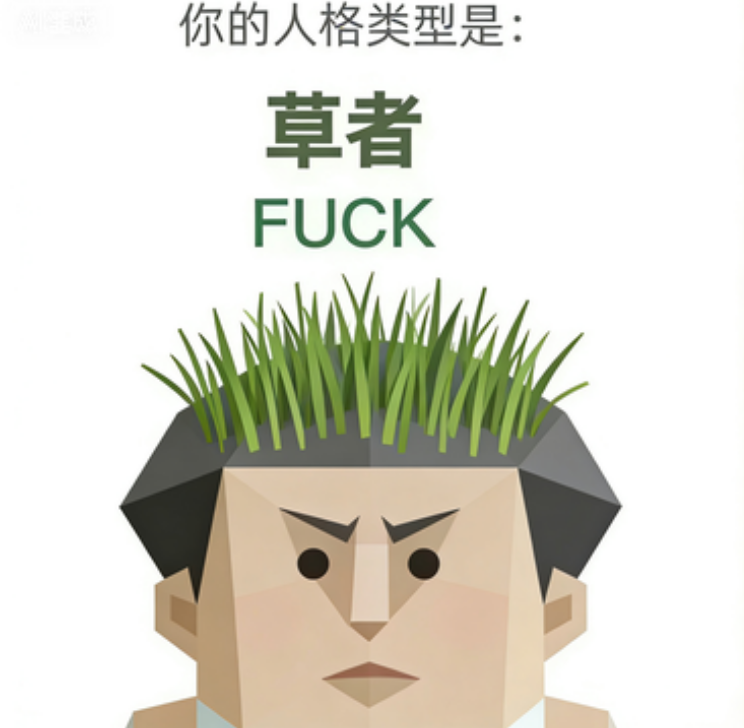
草者
FUCK types are raw, alive, impulsive, and difficult to domesticate. You can read as reckless, but there is a fierce honesty to how directly you meet desire and anger.
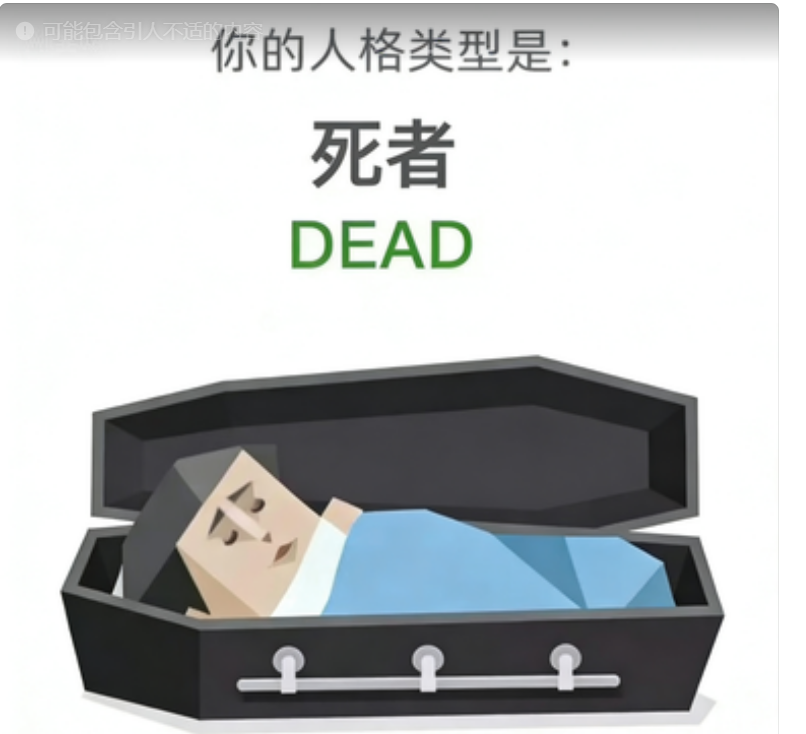
死者
DEAD types are detached, low-desire, and oddly lucid. You often look like someone who has already speedrun the point of the game and is no longer impressed by the side quests.
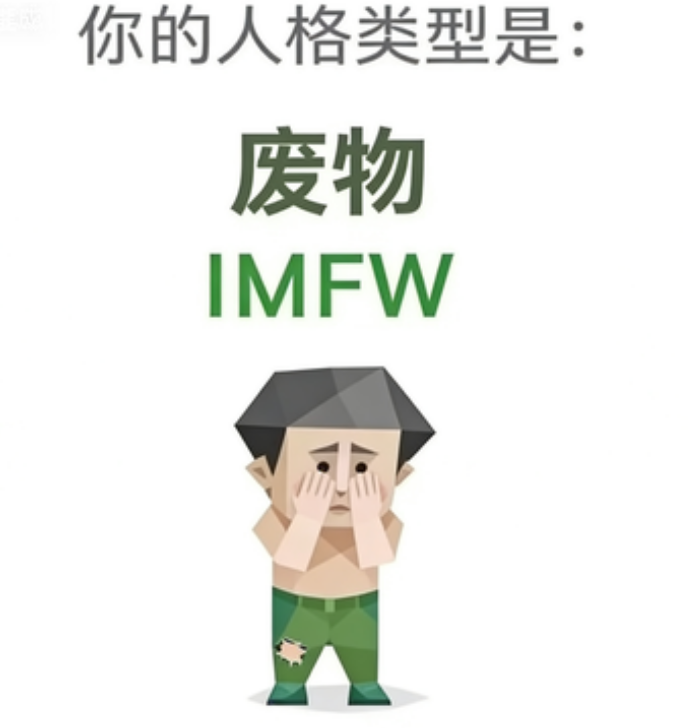
废物
IMFW types are tender, dependent in selective ways, and deeply responsive to emotional safety. Your softness can look fragile, but it also makes you loyal and sincere.
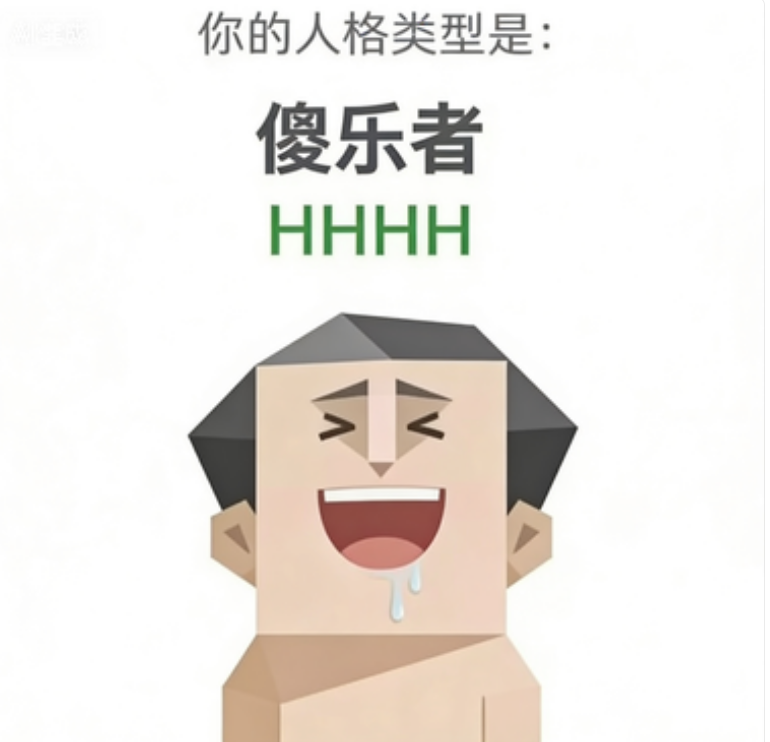
傻乐者
HHHH is the fallback result for people whose pattern refuses to sit neatly inside the regular library. In short: you are too peculiar for the box, and the box admits defeat.
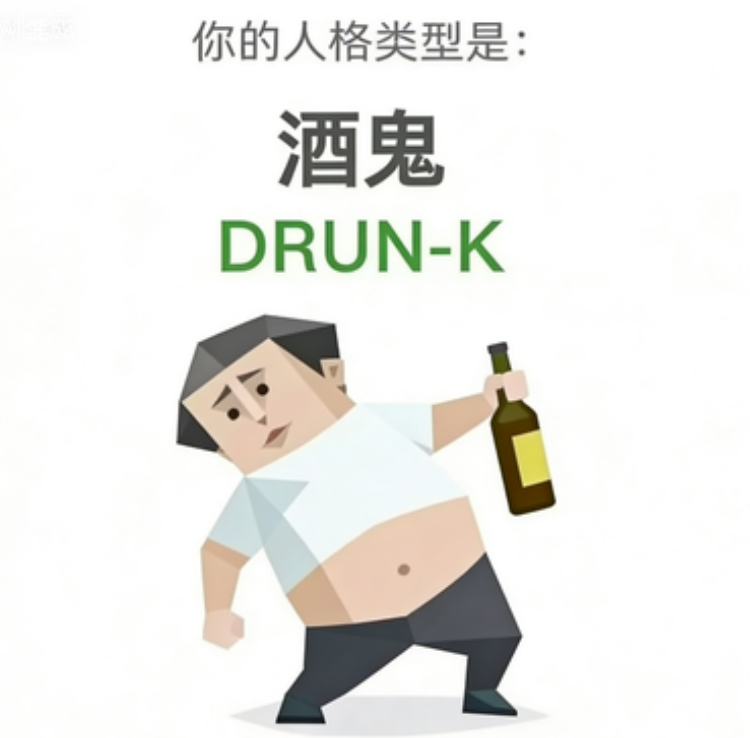
酒鬼
DRUNK is the hidden route: if your answers point hard enough toward drinking, the regular judgment gets skipped. It is less a type than a flashing warning sign with personality.
Everything you need to know about how SBTI types work, which ones are most searched, and what they actually tell you.
There are 22 named SBTI types in total. Twenty of them are standard results that any test-taker can receive. Two are hidden SBTI types — including DRUNK — that only appear when specific answer conditions are met during the test.
Based on search volume and social sharing, the six most popular SBTI types are CTRL (the Controller), MALO (the Chaos Monkey), LOVE-R (the Romantic), MONK (the Monk), SOLO (the Guarded One), and DEAD (the Disengaged Sage). These six generate the most searches and the most shared screenshots across all language communities.
Yes. Two SBTI types only appear under special conditions. DRUNK is the most well-known hidden result — it does not appear through normal answer patterns. The second hidden type also has specific trigger conditions. You can find their detail pages in the type index above.
Yes. SBTI results are based on the answers you give at that moment. Different answers, a different mood, or a different reading of the questions can all produce a different SBTI type. Many people retake the test out of curiosity or to validate a first result.
SBTI does not publish official result distribution data. The most-searched types are not necessarily the most common outcomes — they are the ones people share and discuss most. The actual frequency of each SBTI type in the test-taker population depends on who is taking the test at any given time.
No. SBTI is not a ranking system. Each type is a behavioral pattern profile, not a score. Two people who get very different SBTI types are not better or worse than each other — they just have different response patterns across the 15 dimensions.